There is a brucellosis outbreak here in Uganda. It is spread through drinking unpasteurized milk or handling raw meat of infected animals. We've been treating a lot of people for it at the clinic, so I was asked to make some educational signs to hang around the office.
I did. I even included cheesy clip art (one of a guy milking a cow, another of a butcher chopping meat). Then someone else translated the sign into Runyoro, and we will hang both posters around the office. That's public health. That's cool.
But as I walked home last night it dawned on me- I will probably never know if those signs have any effect. A medical doctor can quantify exactly how many people they have cured and assisted. But a public health practitioner will rarely (if ever) know the real impact of their preventative initiatives. That stinks.
Saturday, September 24, 2011

Wednesday, September 21, 2011
I Love Maps

It took me a while, but I finally found some decent maps of Uganda. Can you spot Masindi?

Tuesday, September 20, 2011
Intervention
Today started out like a normal day. But it soon had me caught up in a rather compelling story, with many twists and turns.
10:30am: A young girl appeared out of nowhere and cornered me in the corridor of the clinic, shook my hand and refused to let go as she made a plea for her family. With a trembling voice, she explained to me that she was an orphan. She is being raised by her aunt, but her aunt traveled to a nearby town two weeks ago and the food she left had run out. The family was hungry and needed charcoal. She said she saw me around town and came to find me to ask for help. Her name is Sunny Asinye and she is a seventh grader.
I told her to have a seat and went to ask Joseph what I should do.
11am-11:45: Various staff interviewed her. By all appearances, her story was true. She is one of the Compassion children that we had screened this past Saturday.
12pm: Joseph and I discussed the situation and agreed we would send Wilson with her into town to buy charcoal and other needed goods.
12:15: We called her into Joseph's office to tell her the plan. As we spoke to her, all of a sudden the Head Teacher from her school happened to walk up to the door. Coincidentally, she was there at the clinic being treated.
The head teacher came in, saw Sunny there, and immediately started fussing. Sunny had not been in school for about two months, always claiming to be ill. Suddenly all eyes were on Sunny and she was visibly upset. She couldn't make eye contact with anyone and she looked like she wanted to die. Joseph spoke to her sternly about how important school is and how she must go, she cannot throw her future away. The head teacher left. We checked out her past clinic medical records and they did not reveal any serious illnesses. Sunny surely felt pretty trapped.
12:45 We agreed that we would follow through on the plan to buy the groceries. Sunny asked if we would pray for her. Joseph summoned Beatrice, another clinic staff who has been very involved with the Compassion children. The five of us stood and held hands and Beatrice began praying fervently in Runyoro for quite a while. After a few minutes, Sunny started weeping and choking. She partially collapsed and would not get up. Her life is pretty hard and she was surely overwhelmed. But it definitely appeared to be more than that, almost like she was in pain. Presbyterians like me don't know much about these things, but it looked like a manifestation of something or other.
1:00 Beatrice took the girl aside and they talked for a long time. The girl decided to seek treatment from the doctor, so she went and got a few medications.
1:45 Finally we were ready to be on our way. It was decided that with the girl acting as emotional as she was, it wouldn't be good to send her out with Wilson alone. Joseph and I accompanied them.
2:00 We stopped by Compassion headquarters to let them know about the situation. At Compassion they verified her story, yes she was an orphan and had been receiving a lot of assistance. Her Compassion sponsor had cancelled a while ago and so she actually didn't have anyone supporting her financially anymore. Still, the local Compassion workers were doing what they could for her and paying her school fees somehow.
The Compassion guy also explained that the reason she hadn't been going to school was because the Head Teacher had been beating her so severely. They said there was some sort of animosity between the two. They said they would accompany her to school tomorrow and try to work out whatever the issue was between her and the teacher.
2:30 We went to the market and Wilson went to buy the groceries while the rest of us stayed in the car. I asked Sunny what the situation was with her and the head teacher. She said the head teacher beats her and tells her in front of the other students how her parents died of AIDS, even though they did not die of AIDS. As soon as she mentioned her parents she started crying huge tears.
We asked her how her parents died. She said she doesn't even remember her mom, she died when she was very young. She said there was some jealousy between her father and his half brothers, some kind of witchcraft occurred, and her father got a disease where he swelled up and died.
3:00 We arrived at Sunny's house. Her aunt had gotten home from her journey. There were three other small children there (Sunny's cousins), all of whom had visible burn marks on their bodies and kwashiorkor bellies. Their house was a dark, one room dwelling. The aunt was appreciative of the groceries. Joseph talked to her at length, re verified all the stories from earlier in the day, and exhorted her to take Sunny's education seriously and follow up with the Head Teacher at school. If they couldn't work something out, he advised sending Sunny to a different school.
Seventh grade is a really crucial year in the school system here, Sunny is going to be taking her tests to qualify for high school in just a few months. According to the people we interviewed today, she is a really keen student. But right now she is very behind. She really needs to be in school.
3:45pm Joseph, Wilson, and I returned to the clinic tired, sun-scorched and wondering what exactly had happened in the last five hours.
No less than 8 people were involved in trying to get meaningful help for Sunny today, and it consumed a huge chunk of the work day. But there is the potential that our interventions today could impact her for the rest of her life.
I feel words can't even do justice to all I felt as this was going on and the incredible sorrow I felt for Sunny. I have no idea what it means to live a life of such desperation that she would go to the other side of town to seek out a mzungu she saw in passing a few days ago, just in hopes of getting some cooking fuel. I tell her story here and hope that it can speak for itself.
One thing I know is that I love my fellow clinic staff more than ever today. I love working for an organization that cares so much for the population they serve that they would give up an entire work day to get involved in the life of one needy girl. The fact that the staff are members of this community is so important. I never could have gotten to the bottom of any of these issues on my own.
If any of my readers out there feel inclined to get involved with Sunny, contact me. Compassion is still seeking a new sponsor for her. It would also be ideal to find sponsorship for her to go to a boarding high school next year.
Peace, friends. Cherish life.
10:30am: A young girl appeared out of nowhere and cornered me in the corridor of the clinic, shook my hand and refused to let go as she made a plea for her family. With a trembling voice, she explained to me that she was an orphan. She is being raised by her aunt, but her aunt traveled to a nearby town two weeks ago and the food she left had run out. The family was hungry and needed charcoal. She said she saw me around town and came to find me to ask for help. Her name is Sunny Asinye and she is a seventh grader.
I told her to have a seat and went to ask Joseph what I should do.
11am-11:45: Various staff interviewed her. By all appearances, her story was true. She is one of the Compassion children that we had screened this past Saturday.
12pm: Joseph and I discussed the situation and agreed we would send Wilson with her into town to buy charcoal and other needed goods.
12:15: We called her into Joseph's office to tell her the plan. As we spoke to her, all of a sudden the Head Teacher from her school happened to walk up to the door. Coincidentally, she was there at the clinic being treated.
The head teacher came in, saw Sunny there, and immediately started fussing. Sunny had not been in school for about two months, always claiming to be ill. Suddenly all eyes were on Sunny and she was visibly upset. She couldn't make eye contact with anyone and she looked like she wanted to die. Joseph spoke to her sternly about how important school is and how she must go, she cannot throw her future away. The head teacher left. We checked out her past clinic medical records and they did not reveal any serious illnesses. Sunny surely felt pretty trapped.
12:45 We agreed that we would follow through on the plan to buy the groceries. Sunny asked if we would pray for her. Joseph summoned Beatrice, another clinic staff who has been very involved with the Compassion children. The five of us stood and held hands and Beatrice began praying fervently in Runyoro for quite a while. After a few minutes, Sunny started weeping and choking. She partially collapsed and would not get up. Her life is pretty hard and she was surely overwhelmed. But it definitely appeared to be more than that, almost like she was in pain. Presbyterians like me don't know much about these things, but it looked like a manifestation of something or other.
1:00 Beatrice took the girl aside and they talked for a long time. The girl decided to seek treatment from the doctor, so she went and got a few medications.
1:45 Finally we were ready to be on our way. It was decided that with the girl acting as emotional as she was, it wouldn't be good to send her out with Wilson alone. Joseph and I accompanied them.
2:00 We stopped by Compassion headquarters to let them know about the situation. At Compassion they verified her story, yes she was an orphan and had been receiving a lot of assistance. Her Compassion sponsor had cancelled a while ago and so she actually didn't have anyone supporting her financially anymore. Still, the local Compassion workers were doing what they could for her and paying her school fees somehow.
The Compassion guy also explained that the reason she hadn't been going to school was because the Head Teacher had been beating her so severely. They said there was some sort of animosity between the two. They said they would accompany her to school tomorrow and try to work out whatever the issue was between her and the teacher.
2:30 We went to the market and Wilson went to buy the groceries while the rest of us stayed in the car. I asked Sunny what the situation was with her and the head teacher. She said the head teacher beats her and tells her in front of the other students how her parents died of AIDS, even though they did not die of AIDS. As soon as she mentioned her parents she started crying huge tears.
We asked her how her parents died. She said she doesn't even remember her mom, she died when she was very young. She said there was some jealousy between her father and his half brothers, some kind of witchcraft occurred, and her father got a disease where he swelled up and died.
3:00 We arrived at Sunny's house. Her aunt had gotten home from her journey. There were three other small children there (Sunny's cousins), all of whom had visible burn marks on their bodies and kwashiorkor bellies. Their house was a dark, one room dwelling. The aunt was appreciative of the groceries. Joseph talked to her at length, re verified all the stories from earlier in the day, and exhorted her to take Sunny's education seriously and follow up with the Head Teacher at school. If they couldn't work something out, he advised sending Sunny to a different school.
Seventh grade is a really crucial year in the school system here, Sunny is going to be taking her tests to qualify for high school in just a few months. According to the people we interviewed today, she is a really keen student. But right now she is very behind. She really needs to be in school.
3:45pm Joseph, Wilson, and I returned to the clinic tired, sun-scorched and wondering what exactly had happened in the last five hours.
No less than 8 people were involved in trying to get meaningful help for Sunny today, and it consumed a huge chunk of the work day. But there is the potential that our interventions today could impact her for the rest of her life.
I feel words can't even do justice to all I felt as this was going on and the incredible sorrow I felt for Sunny. I have no idea what it means to live a life of such desperation that she would go to the other side of town to seek out a mzungu she saw in passing a few days ago, just in hopes of getting some cooking fuel. I tell her story here and hope that it can speak for itself.
One thing I know is that I love my fellow clinic staff more than ever today. I love working for an organization that cares so much for the population they serve that they would give up an entire work day to get involved in the life of one needy girl. The fact that the staff are members of this community is so important. I never could have gotten to the bottom of any of these issues on my own.
If any of my readers out there feel inclined to get involved with Sunny, contact me. Compassion is still seeking a new sponsor for her. It would also be ideal to find sponsorship for her to go to a boarding high school next year.
Peace, friends. Cherish life.
I've Got Skills
There are some things that are such a central part of my life and culture that I have no idea they are there. I have recently realized that I actually have a lot of computer skills. Who knew?
I was doing some work on the computer one day last week and one of the young staff, Brian, stopped everything he was doing, stood beside me and watched for about ten minutes. It seems that nobody around here has ever seen someone type without looking at the keys before. Huh. Yesterday Gilbert did the same. These guys are both in their twenties, so I expected most people of my generation would have some working knowledge of computers. Sadly, not in Masindi.
So great was Gilbert's fascination with my computer usage, that I offered to teach him. He was thrilled. So we made a list of things he wants to learn. The first thing on the list is turning the computer off and on. The last thing is learning how to use Facebook. I suggested Facebook because it will give him a way to keep practicing what we learn.
I'm excited at the opportunity to demystify computers for him. It is such a valuable skill to learn. If all goes well with Gilbert the guinea pig, perhaps others will also wish to participate.
I was doing some work on the computer one day last week and one of the young staff, Brian, stopped everything he was doing, stood beside me and watched for about ten minutes. It seems that nobody around here has ever seen someone type without looking at the keys before. Huh. Yesterday Gilbert did the same. These guys are both in their twenties, so I expected most people of my generation would have some working knowledge of computers. Sadly, not in Masindi.
So great was Gilbert's fascination with my computer usage, that I offered to teach him. He was thrilled. So we made a list of things he wants to learn. The first thing on the list is turning the computer off and on. The last thing is learning how to use Facebook. I suggested Facebook because it will give him a way to keep practicing what we learn.
I'm excited at the opportunity to demystify computers for him. It is such a valuable skill to learn. If all goes well with Gilbert the guinea pig, perhaps others will also wish to participate.
Monday, September 19, 2011
Football Match
Tonight my buddy Wilson took me to watch a football match in town- Manchester United vs Chelsea. There was no electricity (as usual), but the TVs at the bar were running on a generator.
I discovered that I enjoy watching soccer last year during the World Cup. But last night took it to a whole new level. The bar was dark except for the few TV screens and the room was packed with chairs and about a hundred people staring intently at the game. There was such a great energy in the room, a breathless anticipation every time the players neared the goal, communal sighs and cheers and protests. Language barriers were gone, nobody in there seemed to care that I was white. It was great.
Man U won 3-1. Technically I don't support them, but I dared not cheer for Chelsea in that crowd.
It was a pretty boring weekend apart from that. Electricity has been extra bad lately, we've only been getting it for about an hour per day. Hanging out in the dark with the cat is not my ideal way to spend an evening, but it seems to happen more often than not. So needless to say, it was great to get out and do something social and non-clinic related last night.
I discovered that I enjoy watching soccer last year during the World Cup. But last night took it to a whole new level. The bar was dark except for the few TV screens and the room was packed with chairs and about a hundred people staring intently at the game. There was such a great energy in the room, a breathless anticipation every time the players neared the goal, communal sighs and cheers and protests. Language barriers were gone, nobody in there seemed to care that I was white. It was great.
Man U won 3-1. Technically I don't support them, but I dared not cheer for Chelsea in that crowd.
It was a pretty boring weekend apart from that. Electricity has been extra bad lately, we've only been getting it for about an hour per day. Hanging out in the dark with the cat is not my ideal way to spend an evening, but it seems to happen more often than not. So needless to say, it was great to get out and do something social and non-clinic related last night.
Sunday, September 18, 2011
Compassion Outreach
 Yesterday the clinic did an outreach to help some of the local kids who are sponsored by Compassion International. We measured height and weight and did general health evaluations for 205 children. Since I have a Compassion child in Ethiopia, I was really eager to participate and see how Compassion does things. It was an overwhelming but gratifying day.
 There was an army of children. And they were all dressed in matching uniforms. It was a bit disconcerting to walk into the church yard and just see so many hundreds of matching children. The clinic was surprisingly orderly though, the kids were incredibly cooperative and patient. Some waited from 9am until 3pm to be seen and they just sat quietly on benches for most of that time.
 Christine and I were in charge of measuring height and weight. After
measuring all the children, we calculated all the relevant ratios and
percentiles according to their age. Most of them were very, very thin,
so it did not come as a surprise that few of them were above the 20th
percentile for their age. Several of them had
HIV.
Christine and I were in charge of measuring height and weight. After
measuring all the children, we calculated all the relevant ratios and
percentiles according to their age. Most of them were very, very thin,
so it did not come as a surprise that few of them were above the 20th
percentile for their age. Several of them had
HIV.The children who had identified health issues (underweight, skin issues, coughs, etc) will now be scheduled for appointments at the clinic in coming weeks. So it benefits both Compassion and PMI.
As usual, it poured. So we had to quickly move our operations under an overhang after lunch and then make our way home on muddy roads which had turned into rivers. Overall, though, it was a great day. The day was exactly the sort of event that gets my Public Health energies flowing.
Wednesday, September 14, 2011
Tuesday, September 13, 2011
Government Hospital
Today my director set up a visit for me to tour the local district hospital in town. Its useful for me to compare our facility to other medical facilities that the poor in this area have access to. I was expecting to see difficult conditions, but I didn't realize it would hit me as hard as it did.
The government run hospitals are all supposedly free. But in actuality, when you show up they have practically no supplies or drugs. They may ask patients to pay for everything starting from the latex exam gloves. Then the pharmacy is typically poorly stocked so patients will have to go elsewhere to buy drugs. So it ends up being more expensive than private clinics (like ours).
I started by meeting the head doctor and the community health specialist, Dr. George and Dr. John, who were both incredibly smiley and almost giddy. Odd. Then another worker took me on a tour from ward to ward.
HIV/AIDS center: This one was run by a private health organization and was bustling with activity. It seemed productive and helpful. 6.7% of the Masindi population is infected.
Men's Ward: The building was constructed in 1922 and has obviously not had much renovation since then. Dozens of beds stretched out in a long hall, all of them full of staring eyes. The ceiling looked like it was crumbling.
Maternity Ward: It was designed to accommodate 16 beds. It now holds 40. And there were women on the floor. Some give birth on the floor. Some women in the ward had that glowy new-mother look on their faces as they held their newborns. Others looked sad and serious. The tour guide allowed me to walk into the labor room, where I beheld a birth which had just finished. Yikes! I congratulated the mother and hurried on. For more about conditions in Ugandan maternity wards, read here.
Operating Room (the "theatre"): This was the smallest ward, there is only one OR for the entire district. The floors and windows were filthy in the prep area, paint peeled from the walls, all the supplies I could see sitting around were ancient. I asked the attending nurse if I could go in the OR and she said no, a patient was undergoing a C-section. As we turned to go, the door opened. The surgery was over and I saw them wheeling a woman out on a stretcher. A sheet was pulled over her face but she was writhing under it, waking up from the surgery. I didn't hear any baby cries. I held my breath. I asked if I could look inside the theatre. For some reason I had to look. "Are you sure?" the orderlies asked me. Yes. They let me in. The floor was covered in blood. The wooden operating table was too. The entire room was grimy and dark. I looked toward the corner and there was the baby, unattended, wrapped up and quietly waving its arms. Thank God. I could finally breathe. The doctor approached me warmly, introducing himself and asking me many questions, but I could not stop myself from backing out of the room as he spoke. I had to get out of there.
Later, Gilbert, one of the workers at our clinic, told me he used to work at the district hospital. Dryly, he informed me that "All women who undergo Caesarians at that place get sepsis. Its compulsory."
Children's Ward: I declined, told the tour guide we could skip that part. I knew I would never be able to hold it together.
Dental Office: As we entered, a little boy was just walking out with a wad of cotton under his lip. He was in a dress suit. I wonder if going to the dentist for a tooth extraction is a special occasion? The dentist greeted me and bluntly said: "We do tooth extractions only. We would do dental cleanings if we had the supplies, but we don't." At first I was very put off by this comment. Since I'm white, I'm used to everyone thinking I will have a monetary solution for their problems, and I resented him verbalizing the need so bluntly. But later I thought about it, and I think I respect him for it. He was advocating for his patients. Somehow, in the midst of such horrendous and unjust conditions, he had enough hope to fight for his patients and speak to someone who might perhaps be able to do good.
Bitter End: As I concluded my tour, I was pretty much speechless. I passed by Dr. George's office. He was still there at his desk with his wide grin and twinkling Santa Claus eyes. He and some of his cronies were talking but I was only half listening to the pleasantries they were directing at me. Then I became aware that they, too, were soliciting donations from me.
"You need to help us build a VIP ward. We have plans for it, it will be a marvelous structure. It will be for people like us." they swept their hands to include themselves and me. "You can't treat people like us in these wards." People like us.
They continued about this for several minutes, reiterating over and over how these wards are not fit for everyone in Masindi district and there are no suitable medical facilities for "people like us."
I think my deadpan face in response to these remarks curbed their enthusiasm a bit. But only a bit. I was too disturbed by the whole experience to even speak. I remained quiet and civil, but my blood boiled at the arrogance. Its as though they have shut themselves off to the suffering of the poor so much that they no longer regard these patients as human. So they believe the poor don't need access to the things that well-off "people like us" deserve.
Out of everything that I encountered today, nothing disgusted me more than that comments of those men.
The government run hospitals are all supposedly free. But in actuality, when you show up they have practically no supplies or drugs. They may ask patients to pay for everything starting from the latex exam gloves. Then the pharmacy is typically poorly stocked so patients will have to go elsewhere to buy drugs. So it ends up being more expensive than private clinics (like ours).
I started by meeting the head doctor and the community health specialist, Dr. George and Dr. John, who were both incredibly smiley and almost giddy. Odd. Then another worker took me on a tour from ward to ward.
HIV/AIDS center: This one was run by a private health organization and was bustling with activity. It seemed productive and helpful. 6.7% of the Masindi population is infected.
Men's Ward: The building was constructed in 1922 and has obviously not had much renovation since then. Dozens of beds stretched out in a long hall, all of them full of staring eyes. The ceiling looked like it was crumbling.
Maternity Ward: It was designed to accommodate 16 beds. It now holds 40. And there were women on the floor. Some give birth on the floor. Some women in the ward had that glowy new-mother look on their faces as they held their newborns. Others looked sad and serious. The tour guide allowed me to walk into the labor room, where I beheld a birth which had just finished. Yikes! I congratulated the mother and hurried on. For more about conditions in Ugandan maternity wards, read here.
Operating Room (the "theatre"): This was the smallest ward, there is only one OR for the entire district. The floors and windows were filthy in the prep area, paint peeled from the walls, all the supplies I could see sitting around were ancient. I asked the attending nurse if I could go in the OR and she said no, a patient was undergoing a C-section. As we turned to go, the door opened. The surgery was over and I saw them wheeling a woman out on a stretcher. A sheet was pulled over her face but she was writhing under it, waking up from the surgery. I didn't hear any baby cries. I held my breath. I asked if I could look inside the theatre. For some reason I had to look. "Are you sure?" the orderlies asked me. Yes. They let me in. The floor was covered in blood. The wooden operating table was too. The entire room was grimy and dark. I looked toward the corner and there was the baby, unattended, wrapped up and quietly waving its arms. Thank God. I could finally breathe. The doctor approached me warmly, introducing himself and asking me many questions, but I could not stop myself from backing out of the room as he spoke. I had to get out of there.
Later, Gilbert, one of the workers at our clinic, told me he used to work at the district hospital. Dryly, he informed me that "All women who undergo Caesarians at that place get sepsis. Its compulsory."
Children's Ward: I declined, told the tour guide we could skip that part. I knew I would never be able to hold it together.
Dental Office: As we entered, a little boy was just walking out with a wad of cotton under his lip. He was in a dress suit. I wonder if going to the dentist for a tooth extraction is a special occasion? The dentist greeted me and bluntly said: "We do tooth extractions only. We would do dental cleanings if we had the supplies, but we don't." At first I was very put off by this comment. Since I'm white, I'm used to everyone thinking I will have a monetary solution for their problems, and I resented him verbalizing the need so bluntly. But later I thought about it, and I think I respect him for it. He was advocating for his patients. Somehow, in the midst of such horrendous and unjust conditions, he had enough hope to fight for his patients and speak to someone who might perhaps be able to do good.
Bitter End: As I concluded my tour, I was pretty much speechless. I passed by Dr. George's office. He was still there at his desk with his wide grin and twinkling Santa Claus eyes. He and some of his cronies were talking but I was only half listening to the pleasantries they were directing at me. Then I became aware that they, too, were soliciting donations from me.
"You need to help us build a VIP ward. We have plans for it, it will be a marvelous structure. It will be for people like us." they swept their hands to include themselves and me. "You can't treat people like us in these wards." People like us.
They continued about this for several minutes, reiterating over and over how these wards are not fit for everyone in Masindi district and there are no suitable medical facilities for "people like us."
I think my deadpan face in response to these remarks curbed their enthusiasm a bit. But only a bit. I was too disturbed by the whole experience to even speak. I remained quiet and civil, but my blood boiled at the arrogance. Its as though they have shut themselves off to the suffering of the poor so much that they no longer regard these patients as human. So they believe the poor don't need access to the things that well-off "people like us" deserve.
Out of everything that I encountered today, nothing disgusted me more than that comments of those men.
Sunday, September 11, 2011
Weekend Visitor
My dear friend Jocelyn decided to come visit me this weekend in Masindi. Hurray! She took the 4 hour trip down from Gulu, where she is working for a different development organization called Krochet Kids. We had a great time catching up, playing with the kitty, relaxing, and seeing the sights of Masindi. It was my first real opportunity to go out exploring and I feel like I have a better grasp of the area now.
The only bummer of the weekend was that we were without electricity for about 30 hours of the visit. We are both getting pretty acclimated to that, though, so cooking and hanging out by candlelight didn't phase us much.
This was my first true weekend in Masindi and I'm really glad I had someone to share it with.


The only bummer of the weekend was that we were without electricity for about 30 hours of the visit. We are both getting pretty acclimated to that, though, so cooking and hanging out by candlelight didn't phase us much.
This was my first true weekend in Masindi and I'm really glad I had someone to share it with.

Jocelyn and I

Picture we took with all the kids who were following and staring at us.

Hanging out with Diane and Todd last weekend.
Friday, September 9, 2011
Fiesta in Uganda
My directors have had a crazy schedule ever since I arrived here and they've been in Kampala most of the time. So tonight, after much car trouble and other obstacles, they finally arrived back in Masindi.
They had me over for dinner and prepared a Mexican themed feast at my request. It was awesome! Yes, chips and salsa were present! It was a really pleasant meal with pleasant people, I really appreciated the belated welcome.
However, dinner conversation focused on some of the darker aspects of local culture. Revenge, witchcraft, child sacrifice, poisoning, and abuse. It is very difficult to understand how such things can become cultural norms. I'm wondering how I would handle a situation where I encountered something like this. Despite all my training... I'm not sure where I'd even begin.
Then I arrived home to find a very sick kitty, soiling most surfaces of my room with vomit, etc. Oh no! She seems to be doing better now. I'm keeping her hydrated. But you'll notice that I'm posting this well past midnight. Its been a long few hours.
My best guess is that she drank some spoiled milk. It is so difficult to keep food from going bad here. The moist climate coupled with the long periods of time without electricity (lack of refrigeration) is a bad combination. I buy tiny quantities of stuff and I still end up throwing much of it away.
They had me over for dinner and prepared a Mexican themed feast at my request. It was awesome! Yes, chips and salsa were present! It was a really pleasant meal with pleasant people, I really appreciated the belated welcome.
However, dinner conversation focused on some of the darker aspects of local culture. Revenge, witchcraft, child sacrifice, poisoning, and abuse. It is very difficult to understand how such things can become cultural norms. I'm wondering how I would handle a situation where I encountered something like this. Despite all my training... I'm not sure where I'd even begin.
Then I arrived home to find a very sick kitty, soiling most surfaces of my room with vomit, etc. Oh no! She seems to be doing better now. I'm keeping her hydrated. But you'll notice that I'm posting this well past midnight. Its been a long few hours.
My best guess is that she drank some spoiled milk. It is so difficult to keep food from going bad here. The moist climate coupled with the long periods of time without electricity (lack of refrigeration) is a bad combination. I buy tiny quantities of stuff and I still end up throwing much of it away.
Wednesday, September 7, 2011
Jack Fruit
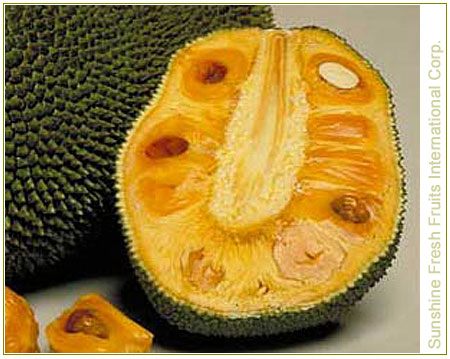
Today I tried Jack Fruit for the first time. The whole fruit is the size of a small watermelon. Quite intimidating. It smelled funky and I was very unsure about it. But once someone showed me how to eat it, it turned out to be quite tasty.
Monday, September 5, 2011
Monday, Week 2
After a weekend away, I was back to my usual hours at the clinic today. I don't have a set schedule so things have been a little unstructured. I'm hoping we can change that soon.
Honestly, I wasn't looking forward to going in at all today, but I pushed through it and the day sort of surprised me. We had a pretty significant break through with the Quickbooks set up (if feels like we are making it up as we go along, which can be stressful), and I also helped get a lot of filing done, which was boring but helped me gain respect from some of the staff, I think.
I'm reunited with my kitty after the weekend away, so that's fun. She's growing up before my eyes. And the crying has stopped, thankfully! She's getting more playful and rascally every day, so I'm preparing for her to start destroying my possessions very soon.
I talked to a doctor at the clinic today about adjusting my malaria drugs. I've been having very strange, intense negative moods lately and very little appetite. He changed me to a pill which has 'vivid dreams' as a side effect, so that could be interesting.
Overall, my outlook on Masindi seems to change drastically from moment to moment. Hopefully I can start feeling more settled soon.
Honestly, I wasn't looking forward to going in at all today, but I pushed through it and the day sort of surprised me. We had a pretty significant break through with the Quickbooks set up (if feels like we are making it up as we go along, which can be stressful), and I also helped get a lot of filing done, which was boring but helped me gain respect from some of the staff, I think.
I'm reunited with my kitty after the weekend away, so that's fun. She's growing up before my eyes. And the crying has stopped, thankfully! She's getting more playful and rascally every day, so I'm preparing for her to start destroying my possessions very soon.
I talked to a doctor at the clinic today about adjusting my malaria drugs. I've been having very strange, intense negative moods lately and very little appetite. He changed me to a pill which has 'vivid dreams' as a side effect, so that could be interesting.
Overall, my outlook on Masindi seems to change drastically from moment to moment. Hopefully I can start feeling more settled soon.
Weekend in the City
This weekend I journeyed to Kampala to see my dear Lady Diane and celebrate her birthday. Diane is my roommate from last year. I hadn't seen her in two months, but it felt like much longer. We had so much to share. It was so refreshing to see a familiar face after my very stressful first week in Masindi. We met up with Todd, another guy from our cohort, and had a nice long dinner (something my stomach could recognize as normal food) and good conversation. It was great fun staying with Diane at the Samaritan's Purse guest house and catching up on everything that has been going on. It was great to be able to have adventures with her on a new continent. :-)
The bus rides to and from the city were grueling and long. I tend to think of myself as immune to culture shock in this part of the world after all I've seen and done. But no, this bus thing still really gets to me. Yesterday, a 3 hour journey ended up taking six and a half. The bus was so, so hot. And at some point the driver tried to take a detour through a Kampala slum and got stuck in the mud, so that set us back by at least an hour. Drama drama.
And then there was the bus park. I can compare the Kampala bus park to nothing else... except some Kenyan bus parks. But there is such a degree of frenzied, chaotic activity that is at the same time fascinating and horrifying. Buses trying to park and pull out, honking at people as they mill everywhere, vendors pushing merchandise in your face, heat, dust, fumes, confusion.
Kampala is smaller than Nairobi, but the presence of motorbikes ("bodas") everywhere gives rise to a whole new level of stress and confusion on the road. I saw another boda get into an accident while I was riding one. Thankfully, I had no incidents.
I was so relieved to get back to Masindi and meet up with my boda driver, Mustafa, who has also become a friend. I was so relieved to be almost home when... the boda ran out of gas. It just was not my day for traveling!
The bus rides to and from the city were grueling and long. I tend to think of myself as immune to culture shock in this part of the world after all I've seen and done. But no, this bus thing still really gets to me. Yesterday, a 3 hour journey ended up taking six and a half. The bus was so, so hot. And at some point the driver tried to take a detour through a Kampala slum and got stuck in the mud, so that set us back by at least an hour. Drama drama.
And then there was the bus park. I can compare the Kampala bus park to nothing else... except some Kenyan bus parks. But there is such a degree of frenzied, chaotic activity that is at the same time fascinating and horrifying. Buses trying to park and pull out, honking at people as they mill everywhere, vendors pushing merchandise in your face, heat, dust, fumes, confusion.
Kampala is smaller than Nairobi, but the presence of motorbikes ("bodas") everywhere gives rise to a whole new level of stress and confusion on the road. I saw another boda get into an accident while I was riding one. Thankfully, I had no incidents.
I was so relieved to get back to Masindi and meet up with my boda driver, Mustafa, who has also become a friend. I was so relieved to be almost home when... the boda ran out of gas. It just was not my day for traveling!
Friday, September 2, 2011
Pictures

My big house.

Sparse furnishings

Couldn't get a very good angle on the bedroom.

My morning commute

The clinic triage area

Clinic waiting and meeting area

The sunset from my porch.
I don't know many local people well enough yet to take their photos, so these are just images of "stuff" so far. I also added some pictures to the posts below, so be sure to scroll down.
Thursday, September 1, 2011
New Friend
I have a kitten. Its really cute. Its really tiny. Apparently its mother had too many kittens so she started rejecting some of them. So it has come to be mine.
This is a lot more work than I anticipated, since the kitten is actually too young to be away from its mother. It has to be bottle fed and it cries a lot. A lot! But I'm hoping that in a few weeks things will settle down.
I'm pleasantly surprised to see that people do keep cats as pets here. They are looked at more favorably than in Nairobi. I don't think it'll be too hard to find a good home for the little guy when I leave.
And it has already served as a connecting point with some of the neighbors. With all of our cultural and language barriers, easy conversation starters are a bonus.
And who doesn't love someone that talks about their cat constantly? I think that's got to be universal.


This is a lot more work than I anticipated, since the kitten is actually too young to be away from its mother. It has to be bottle fed and it cries a lot. A lot! But I'm hoping that in a few weeks things will settle down.
I'm pleasantly surprised to see that people do keep cats as pets here. They are looked at more favorably than in Nairobi. I don't think it'll be too hard to find a good home for the little guy when I leave.
And it has already served as a connecting point with some of the neighbors. With all of our cultural and language barriers, easy conversation starters are a bonus.
And who doesn't love someone that talks about their cat constantly? I think that's got to be universal.

She still has baby blue eyes.

She looks so much like the cat I had growing up.
Subscribe to:
Posts (Atom)